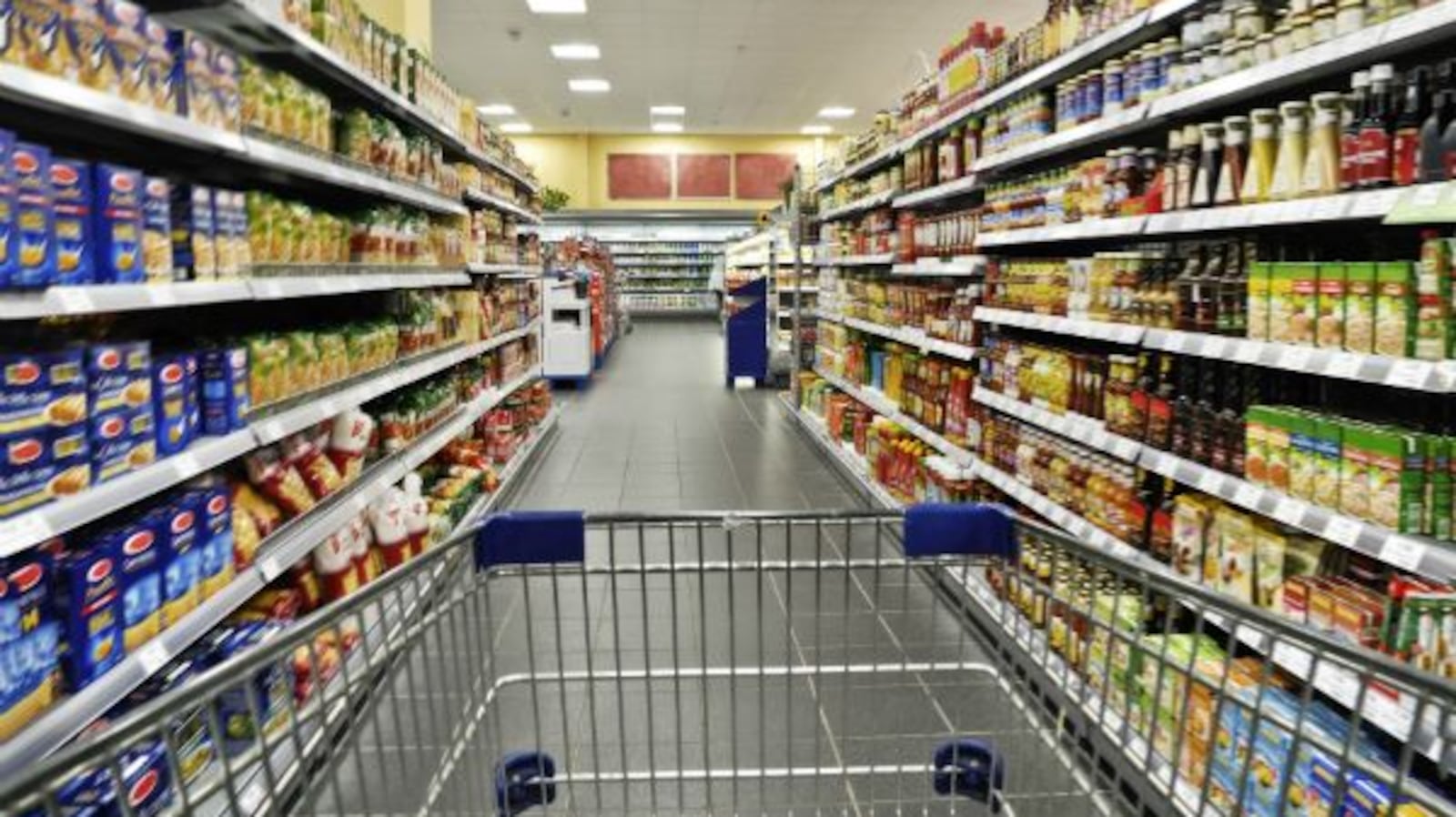
As affordability continues to be a concern for Saskatchewan residents, the provincial NDP is calling on the government to crack down on grocery price gouging. On Wednesday, the Official Opposition introduced legislation to stop corporations from using artificial intelligence (AI) to charge higher grocery prices, something Manitoba’s government has recently done. “Technology is allowing prices to be jacked up during peak periods on select items, often without people knowing that it is happening, but they’re paying for it at the checkout,” NDP Leader Carla Beck said during legislative assembly on Wednesday. Bill 619, The Consumer Protection and Business Practices (Banning Unfair A.I. Pricing Pricing) Amendment Act would make it unfair for retailers to use personal data, profiling, or algorithmic systems to charge higher prices to consumers. According to the NDP, the bill would also ensure the law clearly applies to the online marketplace and digital retailers. “No one should pay more for groceries because an algorithm decides they can,” NDP MLA Brittany Senger said. Beck said food prices in the province continue to climb, citing essentials like lunches and baby formula. “Why won’t this premier show he has some understanding [of] how hard families in this province are struggling? Why won’t he show that and cut them a break at the checkout stand?” she asked. Saskatchewan Premier Scott Moe said his government understands that everyone is feeling inflationary pressures, noting that they continue to invest in affordability measures each year. Beck said there are specific things his government should be doing to give people a break. “Does the premier support a crackdown on predatory AI pricing similar to what they’ve already got in Manitoba?” Beck said. Moe agreed on the importance of the issue, citing its impact on inflation that families are experiencing across Canada. “The Competition Bureau nationally has the opportunity to take action in this space to clamp down on this predatory pricing, to ensure that not just in Saskatchewan -- but across the nation of Canada -- that this is not happening,” he said. “… We’ll continue to be engaged in these discussions.”
|